The Ultimate Guide to Finding Your Perfect Running Shoes
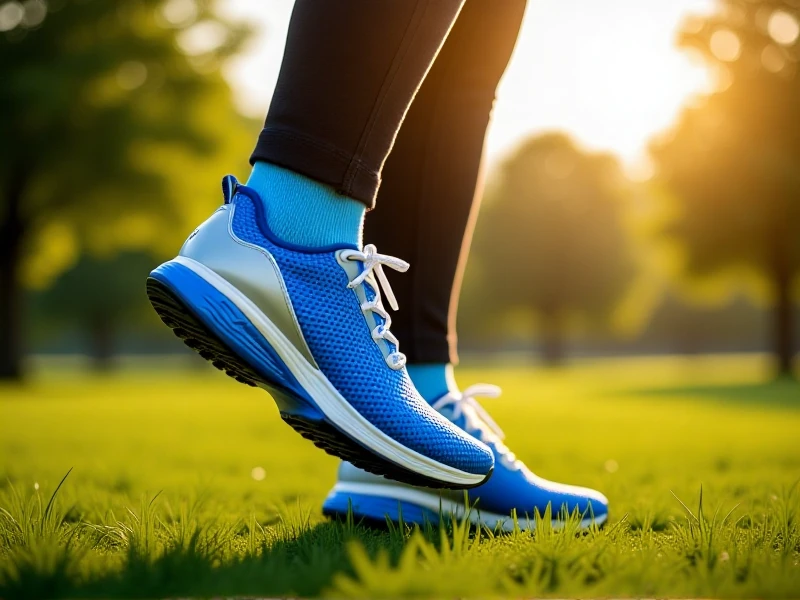
Running shoes are arguably the most critical investment for every runner, whether you're a weekend jogger or marathon enthusiast. The right pair enhances comfort, prevents injuries, and elevates your overall performance. With countless models flooding the market, selecting the ideal running shoes requires understanding key factors that match your unique needs.
First, identify your foot type. Neutral arches suit cushioned running shoes with ample shock absorption, while flat feet benefit from stability models with structured support. High arches need motion-control shoes to distribute impact. Visit a specialty store for gait analysis – they'll observe your stride on a treadmill to recommend shoes that correct overpronation or supination.
Consider terrain versatility. Road running shoes prioritize lightweight cushioning for pavement, whereas trail runners feature aggressive treads and protective plates for uneven paths. Hybrid options offer flexibility if you alternate surfaces. The midsole technology matters too: brands like Brooks, Asics, and Nike use proprietary foams like DNA LOFT or React that balance rebound and durability.
Replacement timing is crucial. Most running shoes last 300-500 miles before cushioning deteriorates. Track your mileage and watch for worn treads or persistent aches. For optimal fit, shop in the evening when feet naturally swell, and ensure a thumb's width of space at the toe. Always test new shoes with light runs before committing.
Beyond technical specs, prioritize personal comfort. Modern running shoes range from ultra-plush HOKA Bondi models to minimalist Nike Free designs. Test several pairs, focusing on heel lockdown and midfoot security. Remember: expensive doesn't always mean better – the best running shoes disappear on your feet, letting you focus solely on the run.
By addressing these elements, you'll transform every stride and make your miles more enjoyable. Lace up confidently and chase those personal bests!