Your Ultimate Guide to Choosing the Best Running Shoes
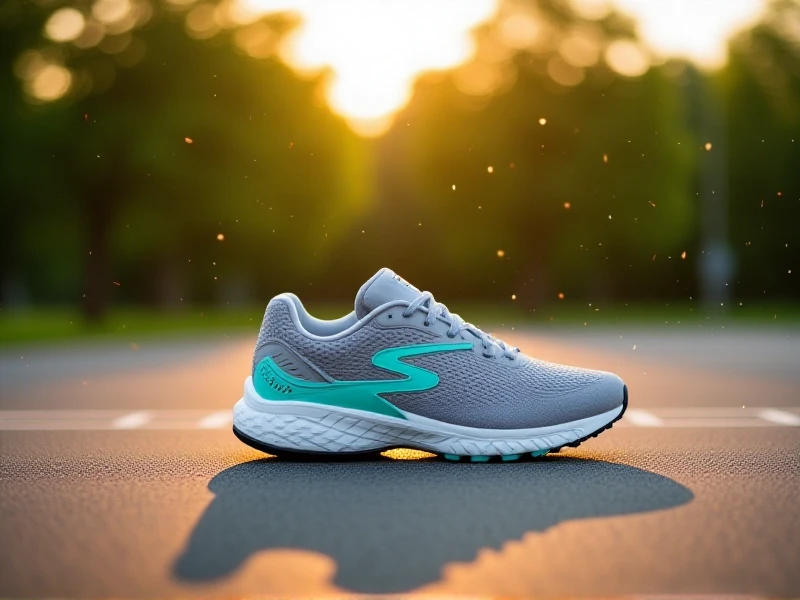
Finding the right running shoes can transform your workouts, prevent injuries, and boost your overall performance. With so many options on the market, it's easy to feel overwhelmed by choices. That's why this guide cuts through the noise, focusing on key features to help you make an informed decision. Whether you're a beginner tackling your first 5K or a seasoned marathoner, the perfect pair of running shoes becomes a reliable partner in every stride, offering comfort and support that aligns with your unique needs.
First, let's explore the different types of running shoes available. Neutral models provide balanced cushioning and flexibility, ideal for runners with normal arches who need lightweight stability. For those with overpronation or flat feet, stability shoes offer extra reinforcement to correct gait imbalances and reduce shock impact. Lastly, max-cushioned options prioritize softness for high-mileage runners, as seen in brands like Nike's Pegasus line or Adidas' Ultraboost series. Key elements like arch support and toe box space play crucial roles—try on multiple pairs to ensure a snug fit without discomfort. Pay attention to material quality too; durable outsoles and breathable uppers enhance longevity and keep your feet cool on longer runs.
Next, we'll dive into how to select shoes based on your personal factors. Start by assessing your foot type: a simple "wet test" reveals if you have high, neutral, or low arches. For high arches, choose neutral shoes to avoid excess pressure, while low arches benefit from stability or motion-control designs. Consider your running goals—speed enthusiasts might prefer minimalist designs with responsive tread, whereas trail runners need rugged grips for rough terrain. Don't forget seasonal adjustments; lighter mesh fabrics suit summer, while waterproof options shine in rainy months. Popular picks this year include Brooks' Ghost and Hoka Clifton brands, known for their innovative technologies like responsive midsoles that absorb impact. Ultimately, getting a professional fitting at a shoe store can save you time and money.
In summary, investing in quality running shoes pays off through injury prevention and enhanced enjoyment. Always replace them every 300–500 miles to maintain peak support. Ready to upgrade your gear? Browse online reviews or visit local stores to test your favorites. Share your running journey with us—we'd love to hear which shoes have powered your best miles!