Finding Your Perfect Running Shoes: Elevate Your Run
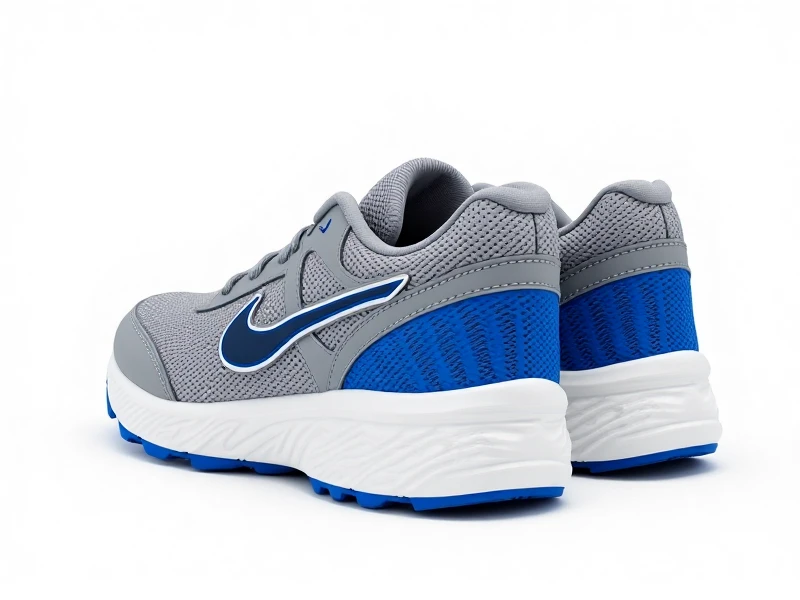
Choosing the right pair of running shoes is arguably the most crucial decision a runner makes. It's not just about looks; it's about performance, comfort, and preventing injuries. With countless options on the market, navigating the world of running shoes can feel overwhelming. This guide breaks down the essentials to help you find your ideal fit for your stride and terrain.
Your foot type and gait are fundamental. Do you overpronate (your foot rolls inward excessively)? Underpronate or supinate (your foot rolls outward)? Or are you neutral? Many specialty running stores offer gait analysis to pinpoint yours. Once you know, target shoes offering the right stability features: motion control for overpronation, neutral cushioning for neutral gait, or flexible options for supination.
Running shoes are meticulously engineered for specific surfaces and distances:
- Road Running Shoes: Designed for pavement and hard surfaces. They prioritize lightweight construction, cushioning (from responsive to plush), and durability against asphalt wear. The tread is generally smoother.
- Trail Running Shoes: Built for rugged paths, dirt, and rocks. Key features include aggressive lugs for superior grip, protective plates to guard against roots and rocks, sturdier materials, and often enhanced water resistance. They generally offer more stability than road counterparts.
- Racing Flats / Speed Shoes: Ultra-lightweight and streamlined for race day efficiency and pace. They often feature advanced foam technology (like carbon-fiber plates) for propulsion but sacrifice some cushioning and durability for maximum speed.
Beyond category and gait, consider these vital factors:
- Fit is Paramount: Shop in the afternoon when feet are naturally slightly swollen. Ensure a thumb's width of space between your longest toe and the shoe's end. Your heel should sit snugly without slipping. Width is equally crucial.
- Cushioning Level: This is personal preference. Do you prefer a soft, plush ride that absorbs more impact? A firmer, more responsive feel that connects you to the ground? Or something balanced?
- Heel-to-Toe Drop: The difference in thickness between the heel and forefoot. Lower drops encourage a midfoot/forefoot strike, potentially reducing strain but sometimes requiring adaptation. Higher drops are often more comfortable for heel strikers.
A great pair of running shoes feels supportive and energizing, not painful or restrictive. When you slip them on, they should feel inviting, urging you to hit the road or trail. The finest running shoes seamlessly merge advanced technology with biomechanical insight to empower every stride, turning miles into moments of pure flow.
Never underestimate the power of a proper shoe fitting, especially by staff with specialized running knowledge. Listen to your body – persistent aches might signal a footwear mismatch. Invest the time to find the pair that unlocks your best running experience. Your feet, joints, and personal bests will thank you. Find your perfect match and experience the difference truly great running shoes can make.