Unlock Your Best Run: A Complete Guide to Choosing Running Shoes
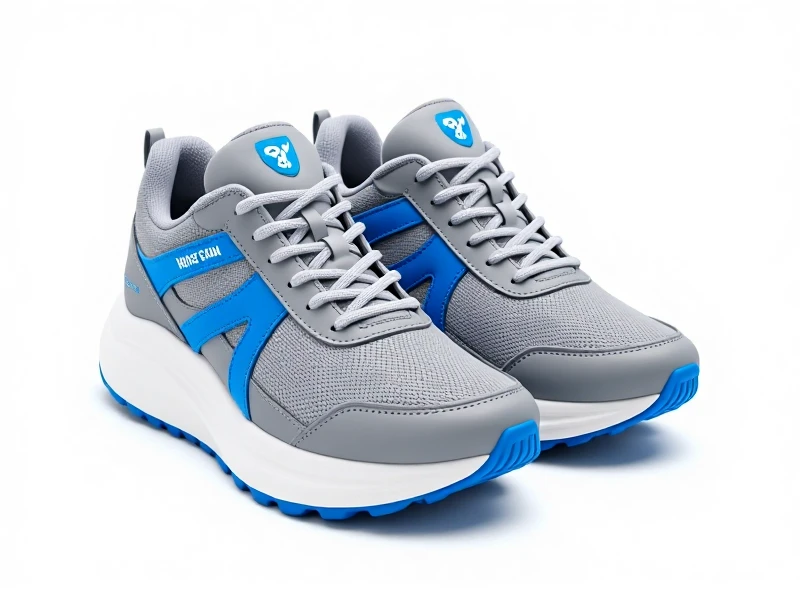
Imagine lacing up shoes that effortlessly propel you forward, mile after mile. That dream becomes reality when you find the perfect pair of running shoes. With countless options flooding the market, selecting the right running shoes isn't just about aesthetics; it's foundational for performance, comfort, and injury prevention. This guide empowers you to make that crucial choice confidently.
Why the Right Running Shoes Matter
Your feet endure immense force with every stride. Ill-fitting or unsuitable running shoes can lead to blisters, shin splints, knee pain, or even stress fractures. Conversely, the correct pair absorbs shock effectively, supports your unique biomechanics, and enhances your gait efficiency. Think of them as essential training partners – they directly influence your speed, endurance, and overall enjoyment. Trust us – it’s game-changing.
Finding Your Ideal Fit: A Step-by-Step Approach
- Understand Your Foot Type & Gait: Are your arches high, normal, or low (flat feet)? Do you overpronate (foot rolls inward), underpronate (supinate, foot rolls outward), or have a neutral gait? Specialized running stores often offer gait analysis using video technology– invaluable insight for finding shoes offering the right stability or motion control features.
- Know Your Running Terrain: Are you primarily pounding pavements, tackling rugged trails, hitting the treadmill, or mixing it up? Road running shoes prioritize cushioning and responsiveness for hard surfaces. Trail running shoes boast aggressive tread for grip and added protection against rocks/roots. Cross-trainers offer versatility but fall short for dedicated distance running.
- Consider Your Distance & Goals: A marathon runner, a sprinter doing intervals, and a casual 5K jogger have vastly different needs. Focus on cushioning and support for long distances. Speed work often benefits from lighter, more responsive running shoes.
- The Critical Fitting Session: This is non-negotiable.
- Shop Later in the Day: Feet naturally swell during activity.
- Wear Running Socks: Bring your usual pair.
- Leave Wiggle Room: Ensure a thumb’s width of space between your longest toe and the shoe’s end.
- Heel Security: Your heel should lock in firmly without slippage.
- Midfoot Snugness: The shoe should securely wrap your midfoot, not pinch.
- Try Multiple Brands & Models: Fit varies dramatically. Never assume your size!
Beyond Purchase: Caring for Your Investment
Maximize the lifespan and performance of your running shoes:
- Rotate Pairs: If you run frequently, rotating two pairs reduces breakdown and allows cushioning to rebound.
- Track Mileage: Replace shoes every 300-500 miles. Watch for worn tread and collapsed cushioning.
- Use for Running Only: Preserve critical midsole cushioning – don't wear them for walking or daily wear.
Investing time to find your ultimate running shoes is an investment in your running future. Visit a reputable store, get expert advice, prioritize fit and function over flashy colors, and feel the difference with every powerful stride. Your best runs start from the ground up. Ready to conquer your next goal? Your perfect shoes are waiting.