The Ultimate Guide to Choosing Perfect Running Shoes for Every Runner
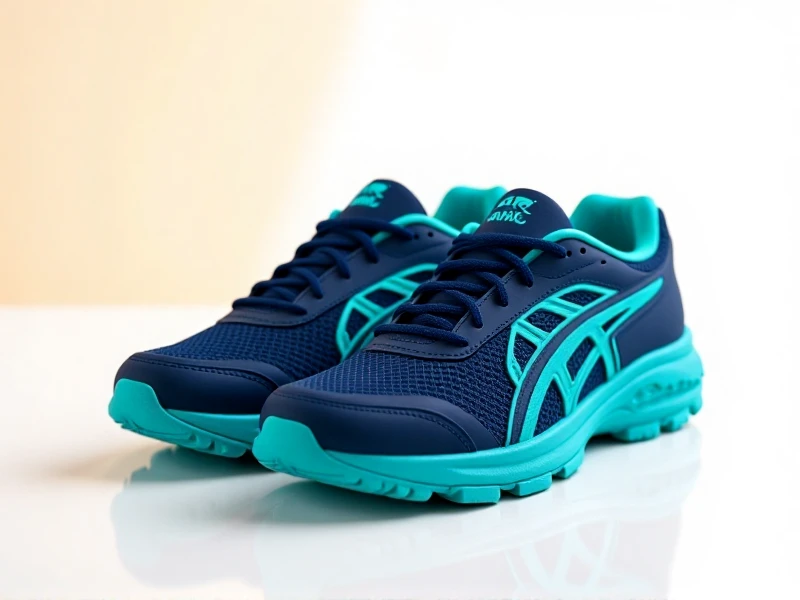
Finding the ideal pair of running shoes feels like unlocking a performance cheat code. The right cushioning, stability, and fit directly impact your comfort, prevent injuries, and empower you to run harder and longer. But with endless options and jargon like pronation, heel drops, and midsoles, it can feel overwhelming. This guide simplifies your journey to the perfect running shoes.
First, understand your foot mechanics. Do you need support for excess inward rolling (pronation), or perhaps a neutral shoe? Gait analysis at specialty run stores provides invaluable insight – knowing if you require stability features, motion control, or a cushioned neutral design is foundational for selecting the optimal running shoes.
Prioritize fit above aesthetics. Your ideal running shoes should feel comfortable immediately, without a lengthy "break-in" period. Ensure ample space in the toe box (about a thumbnail's width) to prevent blisters and lost toenails. The heel cup should cradle your foot securely with minimal slippage while lacing feels supportive, not constricting.
Next, consider cushioning level – dictated by personal preference and purpose. Maximalist running shoes offer plush shock absorption for high mileage and joint protection. Minimalist designs deliver a lightweight, ground-feel sensation. Most runners prefer responsive, moderate cushioning that balances protection and energy return. Brands like Asics Gel-Kayano excel in support, Nike Pegasus in versatile cushioning.
The surface you run on matters significantly. Road running shoes, featuring firmer rubber outsoles for pavement grip, are not suitable for trails. For rugged terrains, trail running shoes boast aggressive lugs, protective plates, and superior stability. A shoe designed for its specific environment maximizes safety and performance.
Finally, recognize that all running shoes have a lifespan. Experts recommend replacing yours every 300-500 miles as cushioning compresses, shock absorption diminishes, and injury risk increases. Pay attention to new aches or worn treads – your feet will signal when it’s time for fresh footwear.
Selecting running shoes demands careful consideration of your unique physiology and goals. Investing time to assess stability needs, secure the right fit, understand cushioning preferences, choose terrain-appropriate treads, and track mileage pays off immensely. Finding that perfect match translates directly into more comfortable, efficient, and injury-free miles. Lace up the right pair and feel the difference.
Ready to explore the latest innovations in running shoes? Discover cutting-edge cushioning systems, ultra-breathable uppers, and stability technologies perfectly recalibrated for runners at every level. Find your next high-performance pair today! Remember, your best run starts with the perfect fit. Explore More Running Shoe Solutions.