Choosing the Perfect Running Shoes: Your Path to Peak Performance
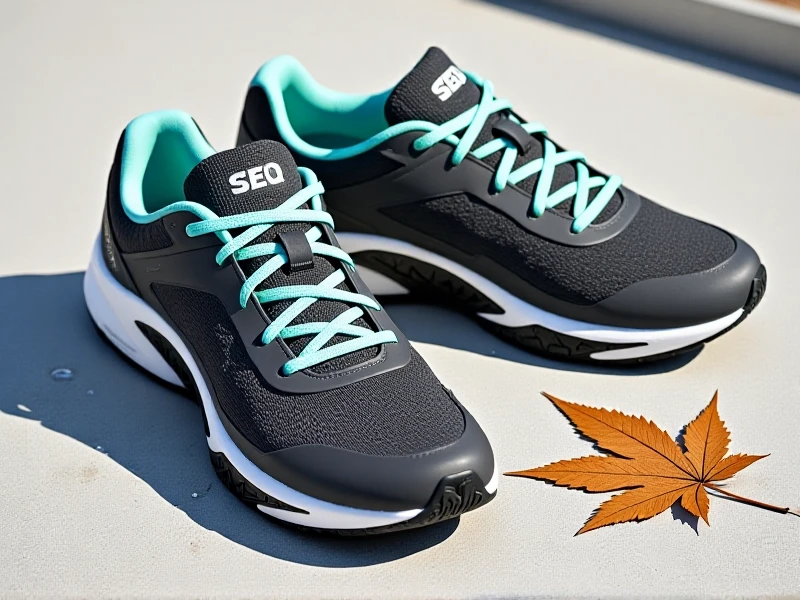
Finding the right pair of running shoes isn't just about looks; it’s the foundation of a comfortable, efficient, and injury-free running journey. Whether you're a seasoned marathoner or taking your first jog around the block, understanding what makes great running shoes is crucial for your performance and health.
The key lies in matching the shoe to your unique running style. Foot type, gait cycle, and the surface you run on dictate what you need. Runners typically fall into three categories based on arch and pronation (how the foot rolls inward upon landing):
- Neutral Pronation: The foot rolls slightly inward, naturally absorbing shock effectively. Look for running shoes offering balanced cushioning and stability.
- Overpronation: The foot rolls excessively inward. This requires running shoes with structured support or motion control features to correct this movement and reduce stress on ankles and knees.
- Underpronation/Supination: The foot rolls outward, placing pressure on the outer edge. Seek highly cushioned running shoes with maximum flexibility to aid natural shock absorption.
Knowing your strike pattern (whether you land primarily on your heel, midfoot, or forefoot) further refines your choice. Heel strikers often benefit from enhanced heel cushioning, while forefoot strikers might prefer a minimalist or low-drop shoe promoting a quicker turnover.
Consider your running terrain:
- Road Running Shoes: Designed for pavement and artificial surfaces. They prioritize cushioning, lightweight construction, and flexibility.
- Trail Running Shoes: Built for off-road adventures. Key features include aggressive lugs for grip, rock plates for underfoot protection, durable uppers, and enhanced stability for uneven surfaces.
Ignoring the fit can sabotage even the most technologically advanced pair. Key fitting tips:
- Shop Later: Feet swell during the day and while running. Shop later in the afternoon.
- Proper Sizing: Always have at least a thumb's width (approx. half an inch) of space between your longest toe (often the big toe) and the end of the shoe.
- Wear Running Socks: Bring or wear the socks you typically run in.
- Width Matters: Don’t assume standard width; running shoes come in various widths. Ensure the ball of your foot feels snug without tightness or pinching.
- The Heel Lock: Your heel should sit securely without lifting or rubbing.
Even the best running shoes wear out, typically after 300-500 miles. Signs include flattened or unevenly worn outsoles, loss of midsole cushioning (it feels harder), and aches/pains you didn’t feel before.
Investing time and research into selecting the perfect pair of running shoes is an investment in your running future. Visit a specialized running store for expert advice on gait analysis and fitting. Prioritize comfort, support, and suitability over trends, and you’ll unlock a smoother, more enjoyable, and sustainable running experience. Your feet, joints, and performances will thank you!