The Ultimate Guide to Choosing the Best Running Shoes
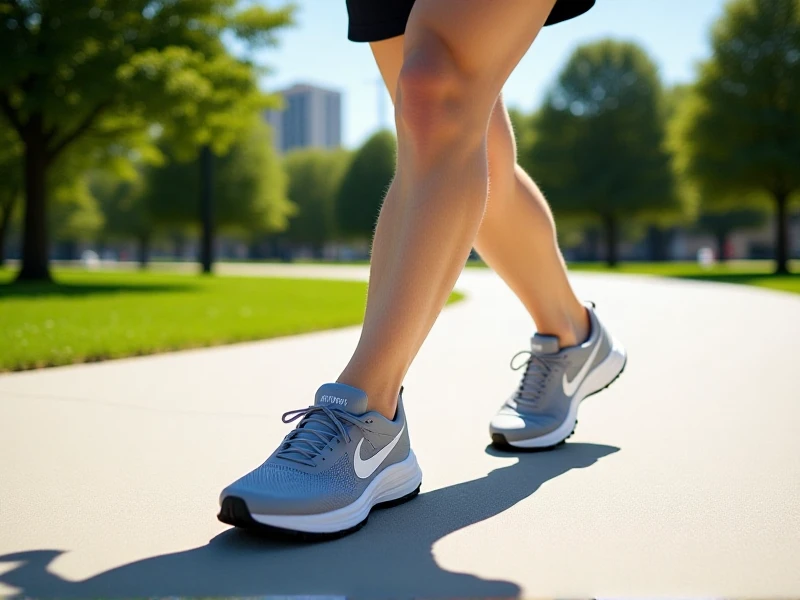
Here is an SEO-optimized article about running shoes optimized for the keyword "Running Shoes":
Finding the perfect pair of running shoes is fundamental for comfort, performance, and injury prevention. Whether you're a beginner starting your running journey or a seasoned marathoner, the right running shoes make all the difference. This guide breaks down key factors to consider when selecting your next pair.
Understanding Running Shoe Types:
Not all running shoes are created equal. Different designs address distinct needs:
- Neutral Running Shoes: Ideal for runners with efficient biomechanics who don't require significant stability features. They focus on cushioning and flexibility.
- Stability Running Shoes: Designed for runners who overpronate (their feet roll inward excessively). These incorporate features like medial posts or dual-density midsoles to guide the foot.
- Motion Control Running Shoes: Offer the highest level of support for severe overpronators or heavier runners needing maximum stability.
- Cushioned Running Shoes: Prioritize soft landings and shock absorption, often preferred by runners with high arches or those seeking plush comfort.
- Trail Running Shoes: Feature aggressive outsoles for grip, protective uppers, and robust construction to handle off-road terrain.
- Racing Flats & Performance Shoes: Lighter weight and more responsive, designed for speed during races or hard workouts.
Key Fit Considerations:
Getting the fit right is crucial:
- Size: Visit a specialty running store for expert fitting in the afternoon when feet are slightly swollen. Aim for a thumbnail's width of space at the toe (biggest toe). Your toes shouldn't hit the end when walking downhill.
- Width: Ensure adequate width across the forefoot and arch. You shouldn't feel pressure points.
- Heel Lock: Your heel should be secure without significant slippage.
Essential Features for Performance:
- Midsole Cushioning: Materials like EVA foam or newer compounds like Pebax, TPU, or Nitro foams provide shock absorption and energy return. Consider your preferred feel (soft, firm, bouncy).
- Outsole Durability & Traction: Rubber compounds ensure grip on various surfaces and extend shoe life.
- Support Technologies: Medial posts, guidance lines, or wider platform bases help control foot motion.
- Upper Breathability: Mesh materials keep feet cool and comfortable.
- Drop: The height difference from heel to toe (measured in millimeters). Many runners land best with a moderate drop (8-10mm), but preferences vary.
Replacement Time:
Running shoes break down. Monitor the midsole foam – if it looks visibly compressed or creased, or cushioning feels significantly reduced, it's time to replace. Most runners need new running shoes every 300-500 miles.
Choosing What's Best for You:
Consider your foot type, gait, typical running terrain, distance, and personal comfort preferences. Trying running shoes on and running in them (either in-store or using a returnable purchase option) is vital.
Investing time in finding the best running shoes tailored to your unique needs is an investment in your running enjoyment and longevity. Visit us today to explore our wide range of top-performing running shoes designed to support every stride. Find your perfect fit and hit the road – or trail – with confidence!