Ultimate Guide to Running Shoes: Find Your Perfect Pair Today
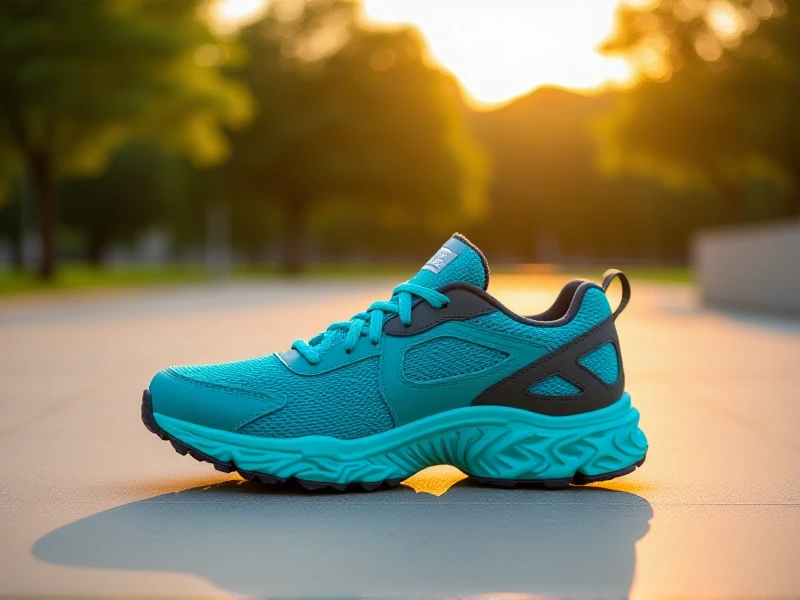
Here is a SEO-optimized English article on "Running Shoes" crafted for a website:
Running shoes are more than just footwear; they're essential equipment designed to enhance your performance, protect your joints, and make every stride comfortable. Whether you're a seasoned marathoner, a casual jogger, or just starting your fitness journey, finding the right pair of running shoes is paramount for a positive and injury-free experience. The wrong shoes can lead to discomfort, blisters, or even more serious issues like shin splints or knee pain. Investing time in selecting the perfect running shoes tailored to your unique needs pays dividends in both comfort and results.
Selecting the correct running shoes depends on several key factors:
- Foot Type & Gait: Understanding your foot arch (neutral, high, or flat) and your natural running motion (pronation, supination, or neutral) is crucial. Many specialty running stores offer gait analysis to help determine this, ensuring you get shoes with the right level of support and stability.
- Running Surface: Where do you primarily run? Road shoes offer cushioning for pavement, while trail running shoes provide aggressive tread and extra protection for uneven, soft, or rocky paths. Cross-trainers or versatile options suit gym workouts. Match the shoe to your terrain.
- Distance & Intensity: Are you logging short, fast sprints or conquering long distances? Distance runners often benefit from maximum cushioning for shock absorption over miles, while speed-focused runners might prefer lighter, more responsive shoes.
- Fit and Comfort: Never compromise on fit. There should be about a thumbnail's width of space between your longest toe and the end of the shoe. The heel should be snug but not tight, and the midfoot should feel secure without pinching. Try shoes on later in the day when feet tend to swell and always wear your running socks.
Top Running Shoe Categories:
- Cushioning: Ideal for long distances and neutral runners seeking plush comfort and shock absorption (e.g., Brooks Ghost, Hoka Clifton).
- Stability: Designed for mild to moderate overpronators, offering support to guide the foot (e.g., ASICS GT-2000, Saucony Guide).
- Motion Control: For severe overpronation, providing maximum support and rigidity (e.g., Brooks Beast, ASICS Gel-Kayano).
- Minimalist/Barefoot: Mimic natural foot motion with low stack height and minimal cushioning (e.g., Vibram FiveFingers, Merrell Trail Glove). Transition carefully.
- Trail Runners: Focus on traction, foot protection, and durability for off-road adventures (e.g., Salomon Speedcross, Altra Lone Peak).
- Racing/Performance: Prioritize lightweight materials and responsiveness for speed (e.g., Nike Vaporfly, Adidas Adizero series).
Caring for Your Running Shoes:
Extend the life of your running shoes by allowing them to air dry naturally between runs. Avoid machine washing or drying, which can damage cushioning. Rotate between two pairs if you run frequently. Most experts recommend replacing your running shoes every 300-500 miles, as the midsole cushioning loses its effectiveness, increasing injury risk, even if the outsole looks okay.
Choosing the right running shoes isn't just about looks; it's a critical investment in your health and running enjoyment. Take the time to assess your needs, get properly fitted, and test different models. When you find that perfect pair supporting your stride optimally, you'll notice the difference. It truly unlocks effortless miles and peak performance. Don't settle – find your ideal match and hit the track or trail!